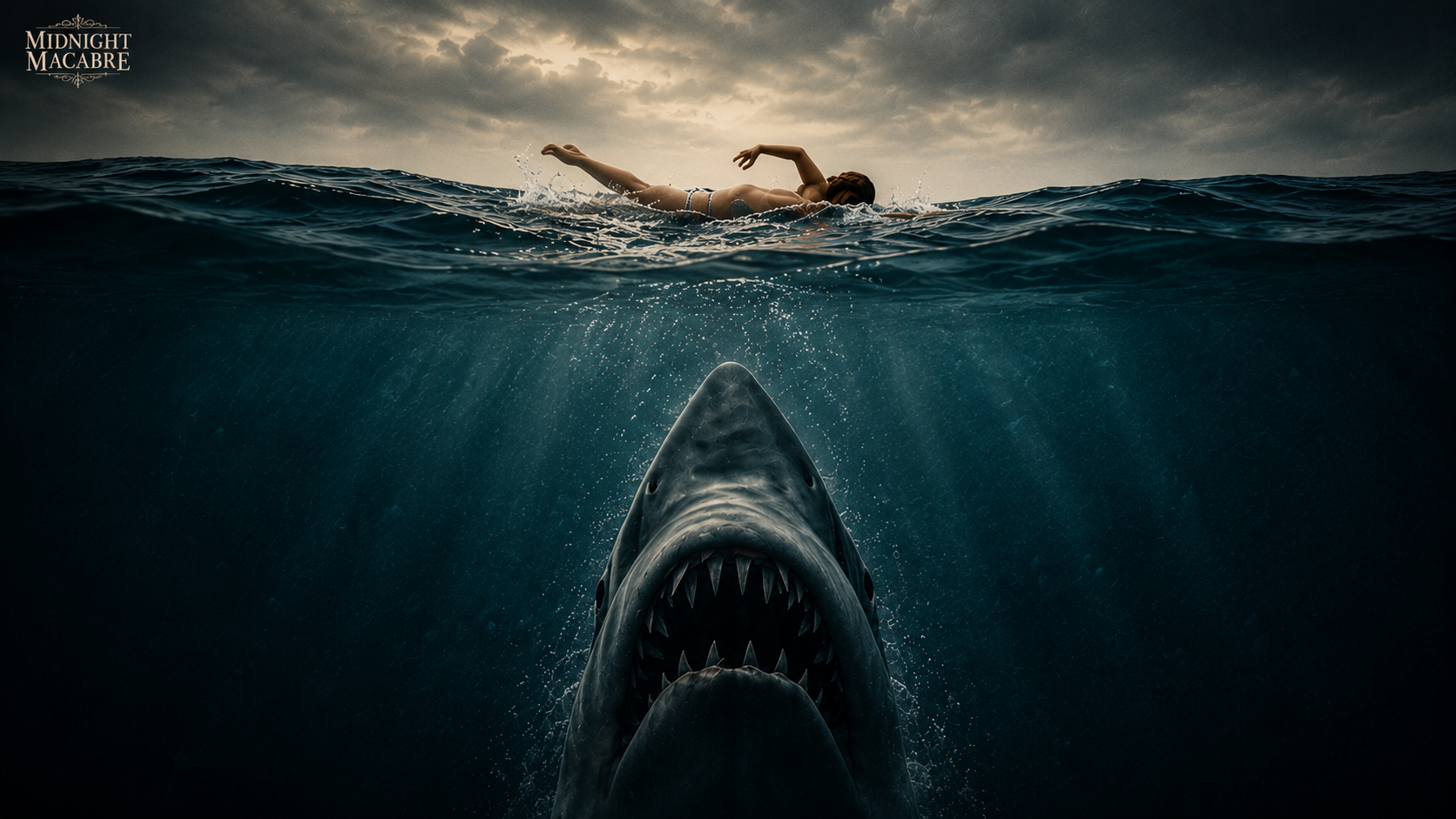
Jaws: Revisiting the Blockbuster That Redefined Horror and Cinema

The Birth of the Blockbuster
In 1975, Steven Spielberg unleashed a cinematic beast that not only terrified beachgoers but also transformed the film industry: Jaws. This masterpiece didn’t just redefine what horror could achieve; it essentially invented the summer blockbuster. The film’s unprecedented success established a new model for movie releases and marketing, setting the stage for the way we experience major film events today.
A Masterclass in Suspense
Jaws is a textbook example of how to build suspense and terror without revealing too much too soon. Spielberg, faced with mechanical issues with the shark prop, turned a potential disaster into an advantage by utilizing John Williams’ iconic score and clever camerawork to suggest the presence of the shark rather than show it outright. This technique not only heightened the tension but also engaged the audience’s imagination, making the fear more personal and intense.

Watch the Official Trailer
Timeless Themes of Man vs. Nature
At its core, Jaws taps into the primal fear of the unknown lurking beneath the waves. The film explores the theme of man versus nature, with the shark representing an unstoppable force that disrupts the idyllic setting of Amity Island. This narrative resonates with audiences on a fundamental level, as it reflects humanity’s perpetual struggle against the unpredictable forces of the natural world.
Character Depth and Memorable Performances
What elevates Jaws beyond a mere creature feature is its rich character development and memorable performances. Roy Scheider’s portrayal of Chief Brody, the everyman hero, anchors the film in relatable humanity. Richard Dreyfuss as the enthusiastic marine biologist Hooper and Robert Shaw as the grizzled shark hunter Quint provide a dynamic trio whose interactions add depth to the story. Their chemistry and individual arcs contribute significantly to the film’s enduring appeal.
Influence on Modern Cinema
Jaws’ impact on cinema is immeasurable. It pioneered the concept of a wide-release summer film, coupled with a massive marketing campaign that included television spots, merchandise, and tie-in books. This approach not only generated immense box office revenue but also created a cultural phenomenon. Today, Jaws is credited with setting the template for the modern blockbuster, influencing countless filmmakers and leading to the rise of franchise-driven summer releases.
Why Jaws Still Matters
Nearly five decades after its release, Jaws remains a staple in discussions of both horror and cinema history. Its legacy endures through its technical achievements, storytelling brilliance, and cultural impact. Horror fans and casual viewers alike continue to be drawn to its masterful blend of fear and adventure. Spielberg’s film is a reminder of the power of cinema to captivate, terrify, and entertain in equal measure.
The Rewatchability Factor
Jaws is not just a film to be watched once; it’s a cinematic experience that invites multiple viewings. Each rewatch reveals new layers of craftsmanship, from the meticulous editing to the subtext of human nature’s confrontation with the unknown. Its ability to remain engaging and relevant speaks to its status as a timeless classic that continues to inspire filmmakers and thrill audiences around the world.
In conclusion, Jaws is far more than a movie about a shark; it’s a cultural touchstone that redefined what horror and blockbuster cinema could achieve. Its influence is still felt today, reminding us why it remains an essential piece of film history.