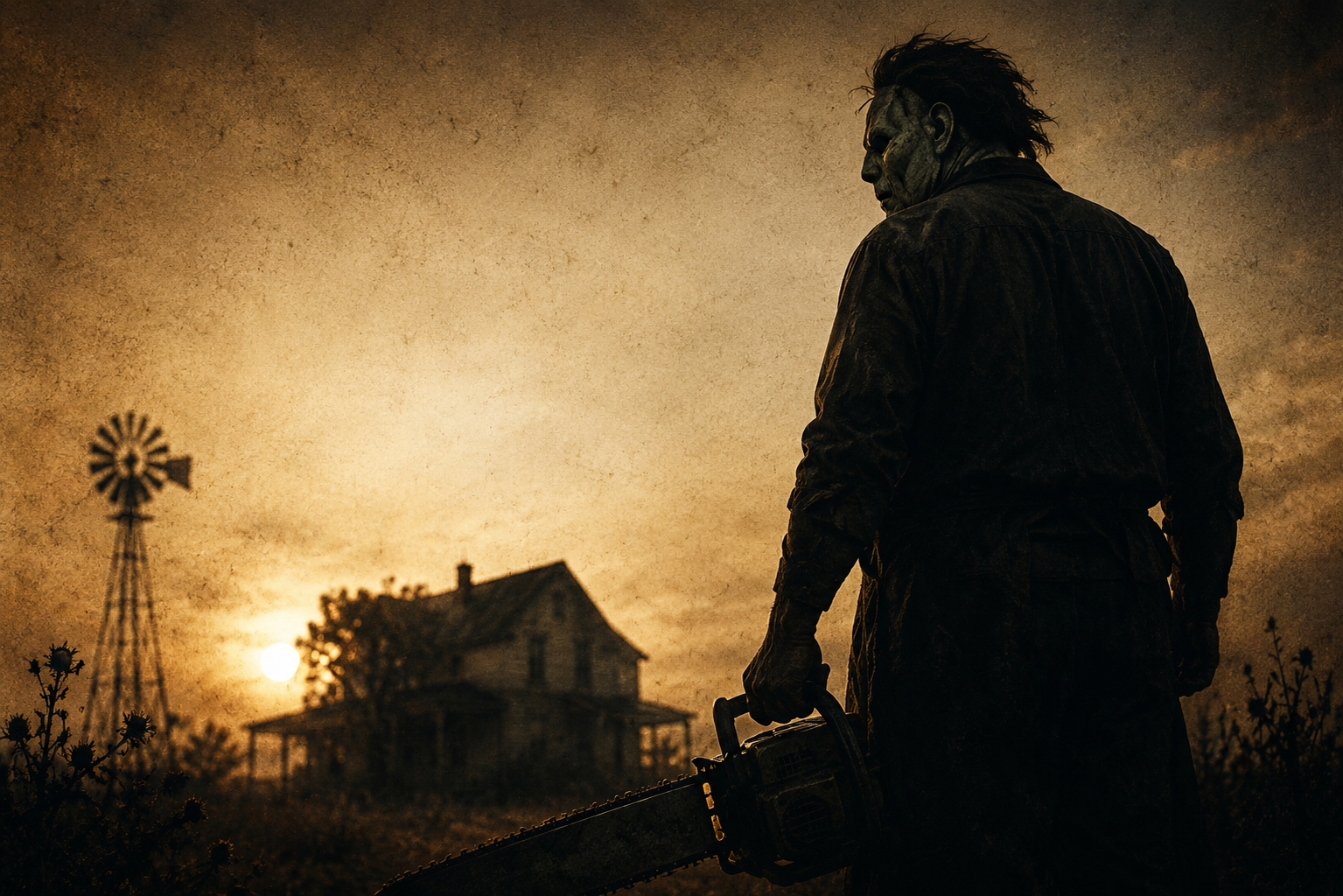
The Texas Chainsaw Massacre: A Grisly Masterpiece That Revolutionized Horror
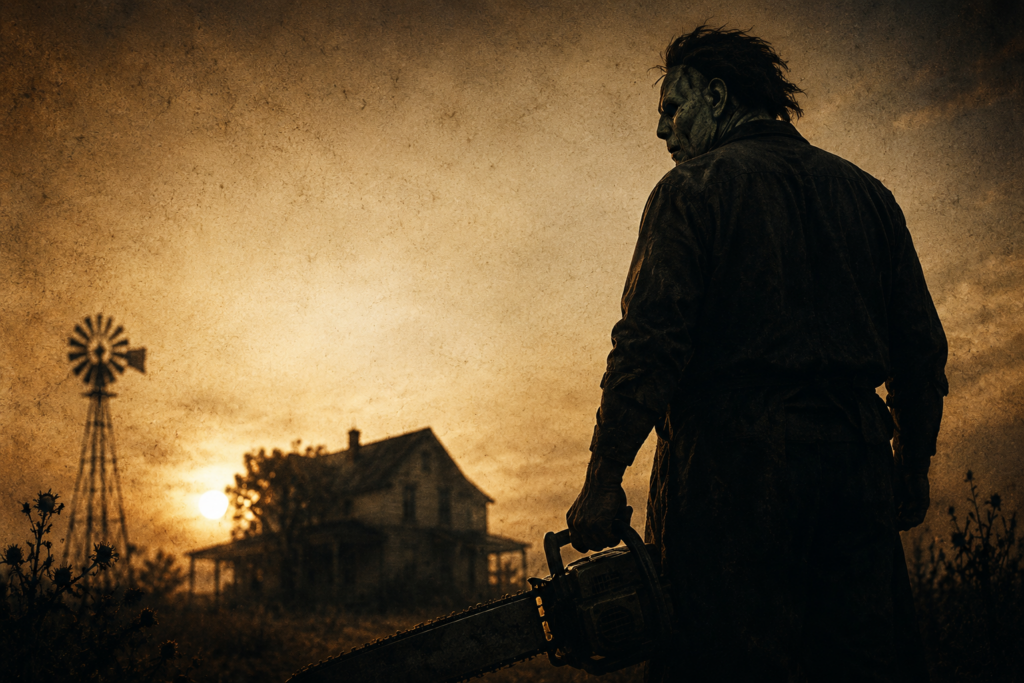
The Birth of a Horror Icon
When The Texas Chainsaw Massacre burst onto the scene in 1974, it was nothing short of a revelation. Directed by Tobe Hooper, this low-budget horror film redefined what audiences expected from the genre. With its gritty aesthetic and relentless tension, it not only introduced the world to one of horror’s most iconic villains, Leatherface, but also laid the groundwork for the modern slasher film.
A Raw and Unforgiving Atmosphere
The Texas Chainsaw Massacre is renowned for its raw intensity and unsettling atmosphere. Hooper’s use of grainy 16mm film gives the movie a documentary-like feel, immersing viewers in its nightmarish world. The oppressive Texas heat, combined with the eerie soundtrack and unsettling sound design, creates a sense of dread that lingers long after the credits roll. This visceral experience is what keeps fans coming back, seeking to relive the adrenaline rush that few films can match.
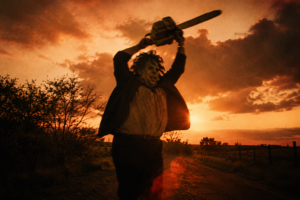
Watch the Official Trailer
Redefining Horror with Realism
One of the film’s most groundbreaking aspects is its commitment to realism. Unlike many horror films of its time, The Texas Chainsaw Massacre eschews supernatural elements in favor of a more grounded terror. The film’s depiction of a cannibalistic family in rural Texas feels disturbingly plausible, making it all the more terrifying. This dedication to realism set a new standard for horror, influencing countless films that followed.
Leatherface: A Lasting Legacy
Leatherface, the chainsaw-wielding antagonist, has become a cultural icon in his own right. His grotesque mask, fashioned from human skin, and his unpredictable brutality make him one of the most memorable villains in horror history. Leatherface’s portrayal taps into primal fears, embodying the terror of the unknown and the breakdown of social norms. His impact is evident in the numerous sequels, remakes, and homages that continue to keep his legacy alive.
Cultural Impact and Controversy
Upon its release, The Texas Chainsaw Massacre was met with both acclaim and controversy. Its graphic content led to bans in several countries, yet this notoriety only fueled its allure. The film’s exploration of themes like isolation, family dysfunction, and societal collapse resonated with audiences during the tumultuous 1970s, reflecting broader cultural anxieties. Today, it remains a staple in discussions about the evolution of horror cinema.
Why It Still Matters Today
Nearly half a century after its release, The Texas Chainsaw Massacre continues to captivate audiences. Its influence on the horror genre is undeniable, with its pioneering approach to realistic horror and its creation of a terrifying villain archetype. For horror enthusiasts and casual viewers alike, the film offers a raw, unfiltered look at fear and survival, making it a must-watch for anyone interested in the genre’s history and evolution.
The Enduring Appeal
The Texas Chainsaw Massacre’s enduring appeal lies in its ability to evoke genuine terror without relying on excessive gore or supernatural elements. Its impact on horror cinema and culture at large cannot be overstated, marking it as a masterpiece that will continue to be analyzed and appreciated for generations to come. Whether you’re a seasoned horror fan or new to the genre, revisiting this classic is a reminder of the power of cinema to shock, disturb, and entertain.