Dressed to Kill: Unpacking the Seductive Horror of Brian De Palma’s Thriller
Introduction to a Cult Classic
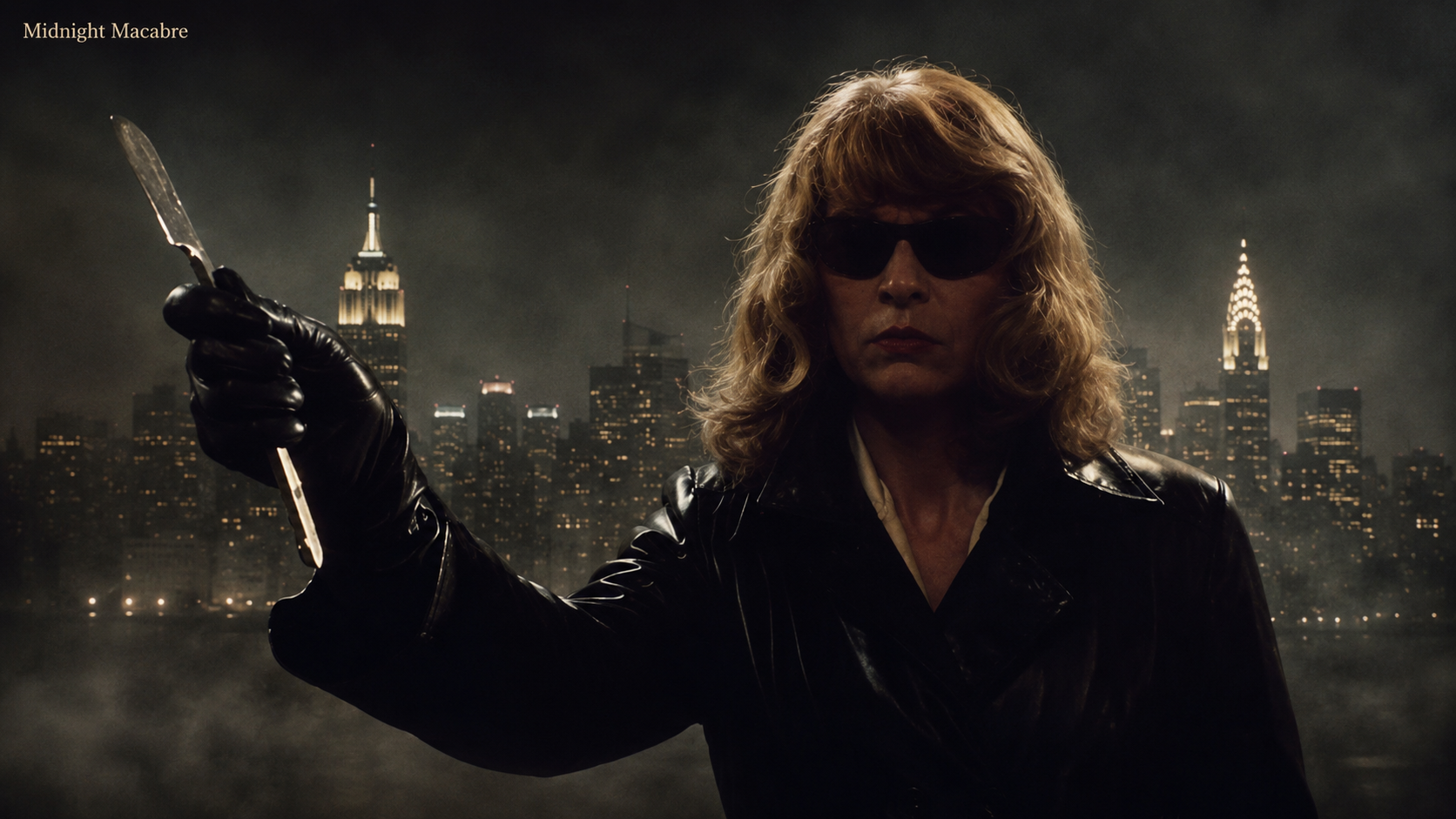
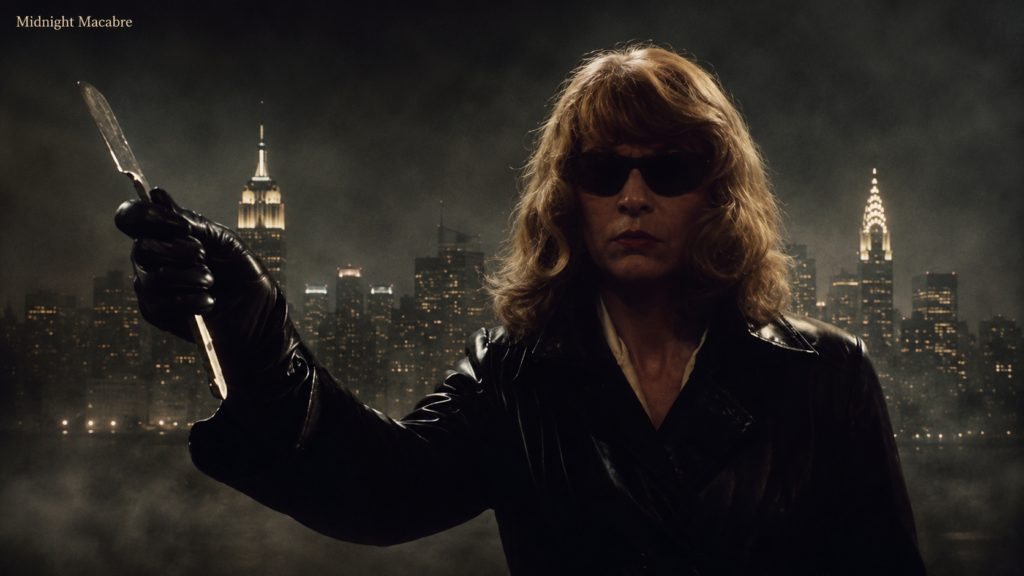
Brian De Palma’s 1980 thriller Dressed to Kill is a film that continues to evoke fascination and debate. Known for its stylish direction and controversial themes, the movie stands as a testament to De Palma’s ability to blend horror with psychological intrigue. Its blend of eroticism, suspense, and violence makes it a quintessential piece of 1980s cinema, often discussed for its artistic merits and controversial elements.
The Allure of De Palma’s Direction
De Palma, often compared to Alfred Hitchcock, crafts Dressed to Kill with a meticulous eye for suspense and visual storytelling. The film’s opening sequence alone is a masterclass in building tension, setting the tone for what is to follow. De Palma employs split screens, slow-motion, and mirror reflections to create a visually engaging narrative that keeps viewers on edge. His style is both a homage to Hitchcock and a statement of his unique vision, making the film a study in how visuals can enhance storytelling.
Controversial Themes and Cultural Impact
At the heart of Dressed to Kill is a narrative that explores themes of identity, sexuality, and the psyche. The film’s portrayal of gender and sexuality was groundbreaking for its time but also controversial. Critics have debated its handling of transgender issues, which, while progressive for the 1980s, might not align with modern sensitivities. This controversy has only fueled its status as a cult classic, prompting discussions on how horror and thriller genres engage with complex societal themes.
Standout Performances
The film boasts a stellar cast, with Michael Caine delivering a chilling performance that anchors the story. His portrayal of Dr. Robert Elliott is both charismatic and menacing, creating a character that is as enigmatic as he is unsettling. Angie Dickinson and Nancy Allen also shine, bringing depth and vulnerability to their roles. These performances add layers to the film, elevating it beyond a typical thriller and ensuring its place in horror history.
Legacy and Influence
Dressed to Kill has left an indelible mark on both the horror and thriller genres. Its influence can be seen in later films that explore similar themes of identity and psychological horror. De Palma’s stylistic choices have inspired a generation of filmmakers, proving that his approach to tension and suspense remains relevant. For horror fans, the film offers a rich tapestry of cinematic techniques and narrative complexity that continues to be dissected and appreciated.
Why It Matters Today
In an era where horror is constantly evolving, Dressed to Kill stands as a reminder of the genre’s potential to explore deep psychological and societal issues. Its combination of style, suspense, and provocative themes makes it a film that resonates with both die-hard horror enthusiasts and casual viewers. As discussions around representation and narrative complexity continue, De Palma’s work remains a relevant and valuable piece of cinema to revisit and analyze.
Rewatchability Factor
Part of what makes Dressed to Kill so enduring is its rewatchability. The film’s intricate plot and visual flair offer something new with each viewing, inviting audiences to delve deeper into its layers. Whether it’s appreciating the craftsmanship of De Palma’s direction or engaging with the film’s complex themes, there’s always something to discover, making it a staple for any horror aficionado’s collection.