The Creature Feature Era: How Drive-In Monsters Took Over the 1950s
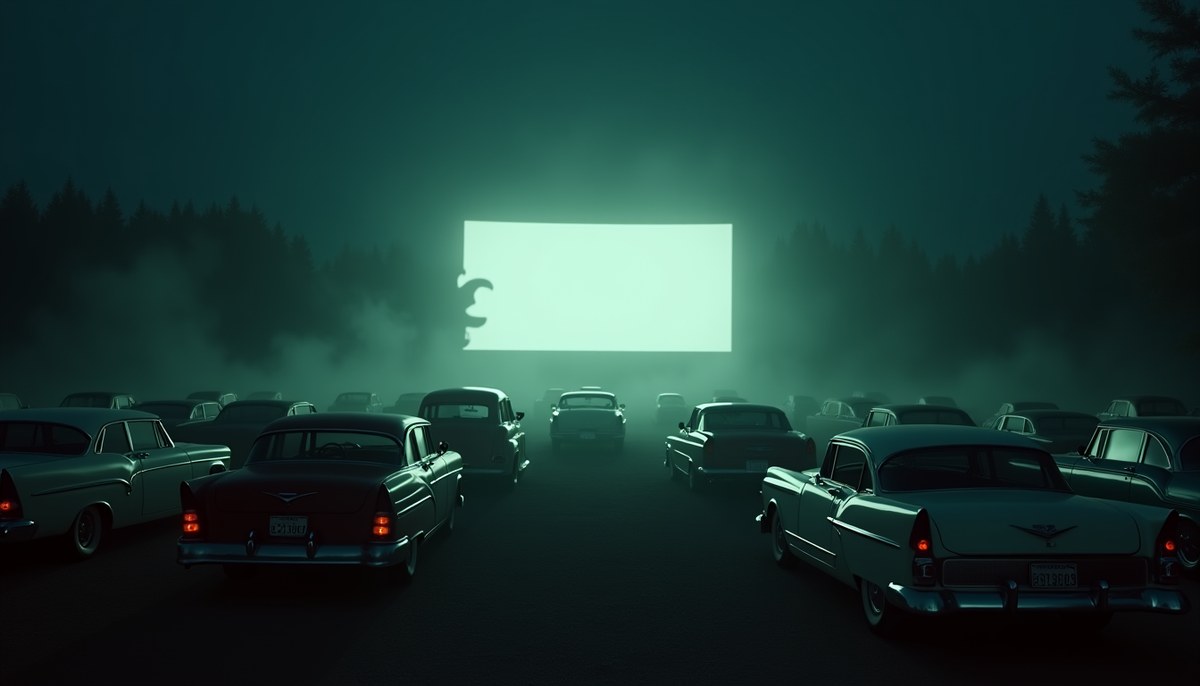
Picture a summer night in the late 1950s. A gravel lot outside town, a few hundred cars nosed toward a screen the size of a house, a tinny speaker hooked over the window, and up there in flickering Technicolor or crisp black and white, something enormous is coming out of the desert. This was the creature feature’s home turf, and for about a decade it ruled the drive-in.
The Bomb Changed Everything
The classic Universal monsters were gothic: castles, curses, villagers with torches. The 1950s monsters came from somewhere else. After Hiroshima and the start of nuclear testing, audiences had a new fear, and filmmakers gave it a body. The Beast from 20,000 Fathoms (1953) woke a dinosaur with an Arctic atomic test. Them! (1954) sent giant irradiated ants out of the New Mexico desert. Japan answered the same year with Godzilla, a far darker film about a nation that had lived through the real thing.
Things From Outer Space
If the monster wasn’t made by radiation, it usually came from the sky. The Thing from Another World (1951) trapped a group of soldiers and scientists in an Arctic base with a visitor that wanted to feed. The paranoia of the Cold War crept into the genre: invaders that look like us, take over our towns, and can’t be trusted. The creature feature became a way to talk about fears nobody wanted to say out loud.
The Gill-Man and the Craft of the Suit
The high point of the era’s monster-making is Creature from the Black Lagoon (1954), originally shown in 3-D. The Gill-man was a practical suit, worn on land and underwater by different performers, and its design still looks remarkable. The underwater sequence, with the creature swimming beneath an unaware swimmer, is one of the most copied images in horror. It’s sinister and strangely beautiful, and it gave Universal its last great classic monster.
The Drive-In and the Teenage Audience
Drive-ins boomed in the postwar years, and their most loyal audience was young. Studios noticed. American International Pictures, run by James H. Nicholson and Samuel Z. Arkoff, built a business on cheap, fast double features aimed squarely at teenagers, often with the poster and title dreamed up before the script. Roger Corman directed and produced a staggering number of them on tiny budgets and tight schedules. Polished, they weren’t. Fun, frequently.
Rubber Suits and Real Imagination
It’s easy to laugh at a zipper showing on a monster’s back, and part of the pleasure is the laughter. But the best of these films squeezed real atmosphere out of almost nothing: a fog machine, a desert road, a radio crackling with bad news. They’re also a showcase for practical effects pioneers, from stop-motion animation to suits, miniatures and forced perspective, all done in camera.
A Second Life on Late-Night TV
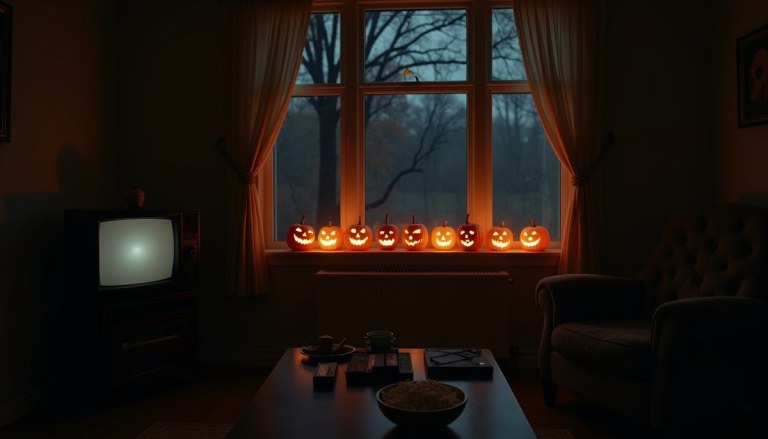
When the drive-in faded, the creature features didn’t die. They moved to television, where late-night horror hosts introduced them to a new generation of kids watching long past bedtime. That’s how most of us met them: grainy, interrupted by commercials, and absolutely magical. It’s the tradition WLAI and Midnight Macabre were built on.
The science in these films was usually nonsense, delivered with total sincerity by a man in a lab coat explaining why the ants were now the size of trucks. That earnestness is part of the charm. These films took their threats seriously, and the actors played every scene straight, even when the monster was a puppet on a wire. It’s the opposite of the wink-wink horror comedy of later decades, and it’s why the best of them still hold a strange power.
The era also gave horror some of its most enduring images: the giant footprint in the desert, the radar blip no one can explain, the small town under siege, the scientist who realises too late what he’s done. You’ll find all of them in modern blockbusters, from creature-features-with-bigger-budgets to every film where the army is helpless against something rising out of the sea.
And it wasn’t only America. Britain’s Hammer had a hit with The Quatermass Xperiment (1955) before its gothic run, and Japan’s Toho studio turned Godzilla into a decades-long series. The 1950s monster boom was a worldwide fever, and the drive-in was its natural temple.
Part of what makes these films so watchable now is their sense of place. Small desert towns, sheriff’s offices, diners, army tents and college labs: the creature feature captured an America of highways and atomic test sites, of teenagers with cars and parents who didn’t believe them. The monster was the fantasy. Everything around it was a snapshot of a country still working out what the new world looked like.
Where to Start
For a first double feature, pair Them! with Creature from the Black Lagoon. Add The Thing from Another World for paranoia and the original Godzilla for something genuinely haunting. Turn the lights low, park yourself on the couch like it’s the back row, and remember: the monster is always bigger than the budget.