Giallo 101: Black Gloves, Bright Blood and Where to Start
If you’ve spent any time around horror fans, you’ve heard the word. Giallo. It gets used to describe a certain kind of movie: a stylish Italian murder mystery from the sixties or seventies, with a killer in black gloves, a lot of very beautiful people in very dangerous situations, and a soundtrack you’ll be humming for days. But what exactly is a giallo, and where should a newcomer begin?
Why “Yellow”?
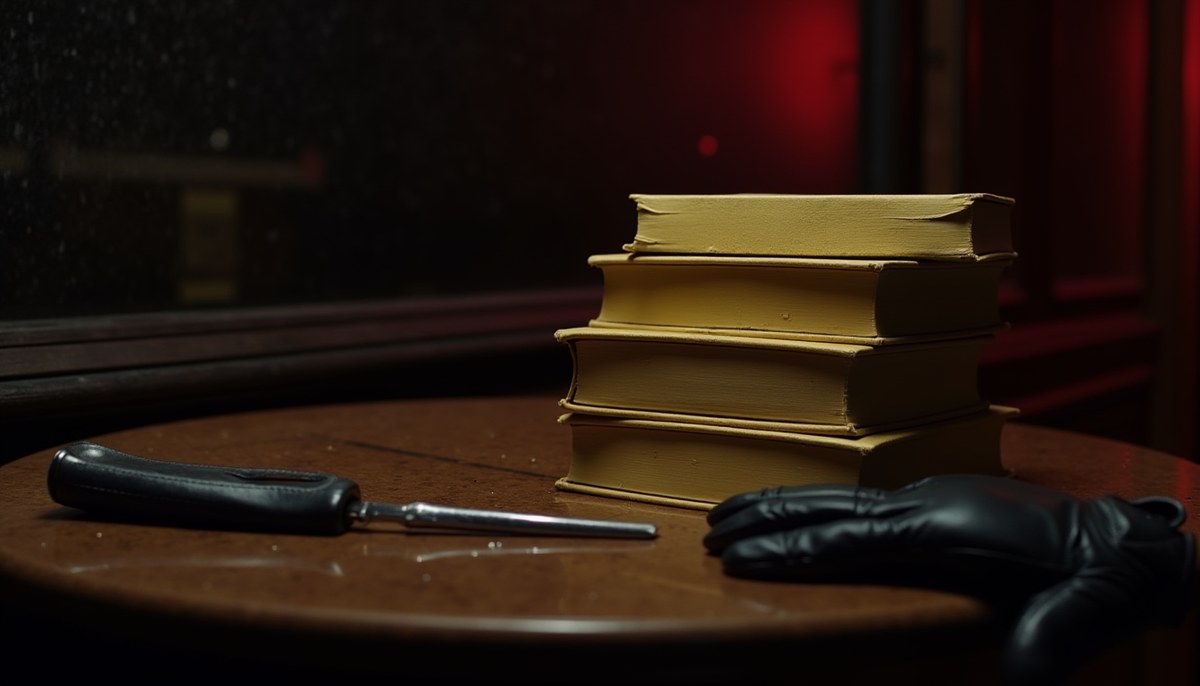
Giallo is simply the Italian word for yellow. In 1929, the publisher Mondadori launched a line of mystery and crime paperbacks with distinctive yellow covers, featuring translations of writers like Edgar Wallace and Agatha Christie alongside Italian authors. They were enormously popular, and “giallo” became the everyday Italian word for a mystery story, the way English speakers might say “whodunit.” When Italian filmmakers began making their own lurid murder mysteries, the name came with them.
Bava Lays the Foundation
Most histories credit Mario Bava with creating the film giallo. The Girl Who Knew Too Much (1963), shot in black and white, follows a young American tourist in Rome who believes she’s witnessed a murder no one else will believe in. A year later, Blood and Black Lace (1964) set the template in blazing colour: a fashion house, a faceless killer in a hat and gloves, and a series of elaborate, beautifully lit murders. Nearly every element of the genre is already there.
Argento Makes It a Sensation
The genre exploded in 1970 with Dario Argento’s debut, The Bird with the Crystal Plumage, which we’ve written about here before. An American writer in Rome witnesses an attack through a gallery window and can’t shake the feeling he saw something important. It was a huge hit, and Argento followed it with The Cat o’ Nine Tails (1971) and Four Flies on Grey Velvet (1971). In 1975 came Deep Red, which many fans consider the greatest giallo ever made, with its pounding progressive-rock score by Goblin.
Suddenly everyone was making them. Through the early seventies, Italian studios turned out dozens of gialli a year, many with wonderfully baroque titles involving animals, colours and numbers.
The Rules of the Game
Gialli vary a lot, but certain elements show up again and again:
A witness who sees something they don’t fully understand, then spends the film trying to remember the detail that will crack the case. A killer whose identity is hidden, usually shown only as black gloves, a hat and a raincoat. Murders staged as set pieces, with operatic camera work and lighting. Psychological explanations, often involving childhood trauma, revealed in the final minutes. Glamorous settings, from Roman apartments to fashion shoots to Swiss boarding schools. And music, always music, from composers like Ennio Morricone, Bruno Nicolai and Goblin, that is often strange, jazzy and gorgeous.
Fans also enjoy the little recurring details, like the bottle of J&B whisky that seems to appear on a remarkable number of Italian film sets of the period.
Five Places to Start
Blood and Black Lace (1964). Bava’s colour blueprint. Pure style.
The Bird with the Crystal Plumage (1970). The film that started the boom, tight and accessible.
The Strange Vice of Mrs. Wardh (1971). Sergio Martino’s sleek, twisty thriller with Edwige Fenech, one of the genre’s signature stars.
Don’t Torture a Duckling (1972). Lucio Fulci moves the giallo to a rural southern Italian village with harrowing results.
Deep Red (1975). Argento at his peak. Watch it with the volume up.
How to Watch Them
A few tips for first-timers. Many gialli were shot without live sound and dubbed afterward, often in both Italian and English, with international casts speaking their own languages on set. Neither track is necessarily the “original,” so pick whichever you prefer and don’t be thrown by mouths that don’t quite match. Titles also change wildly from country to country, so the same film can turn up under three or four different names; check the director and year before you assume you’ve found something new.
Above all, don’t watch a giallo the way you’d watch a tidy Agatha Christie mystery. The plots often hinge on dream logic and coincidence, and the final reveal can be wildly far-fetched. That’s part of the fun. The real pleasures are the camera moves, the colours, the fashion, the architecture, the music and the sheer audacity of the set pieces. Go in for the style and the atmosphere, and the mystery will take care of itself.
The Long Shadow
The giallo faded as a mass-market genre by the late seventies, but its influence is everywhere. The American slasher, from Halloween onward, borrowed its stalking camera and set-piece murders. Brian De Palma, one of our Reels lanes here, built half a career on giallo energy filtered through Hitchcock. Recent filmmakers keep returning to its colours and soundtracks.
That’s why giallo is one of the lanes we keep returning to here at Midnight Macabre. Start with one of the five above, pour yourself something (J&B optional), and watch the gloves.