Inferno: Dario Argento’s Underrated Gem of Surreal Horror
The Surreal World of Dario Argento’s Inferno
Released in 1980, Inferno is a film that showcases Dario Argento’s distinctive ability to blend nightmarish visuals with a haunting soundtrack. Following the success of his 1977 masterpiece, Suspiria, Argento returned with this second installment of his “Three Mothers” trilogy. Despite not achieving the same level of acclaim as its predecessor, Inferno remains a fascinating exploration of surreal horror that continues to captivate audiences.
A Visual Feast
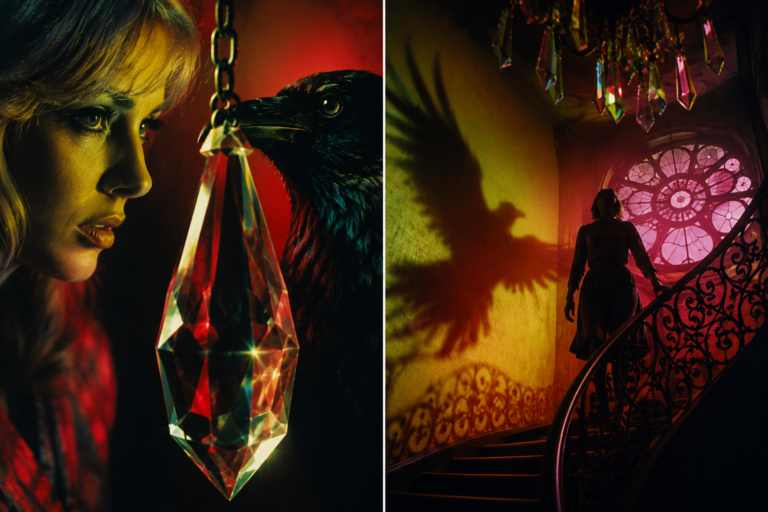
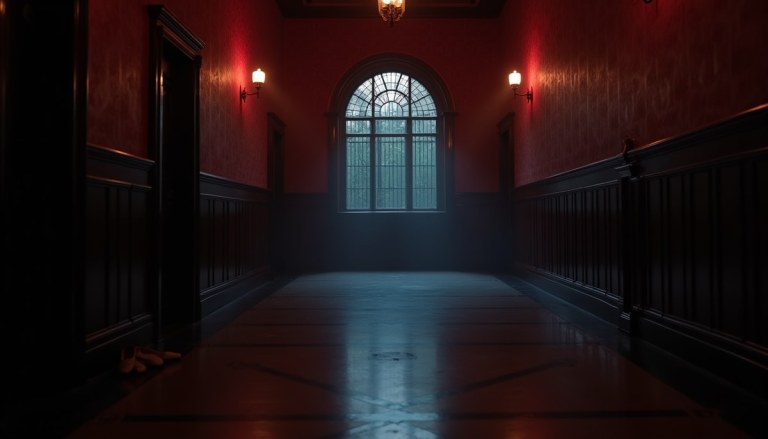
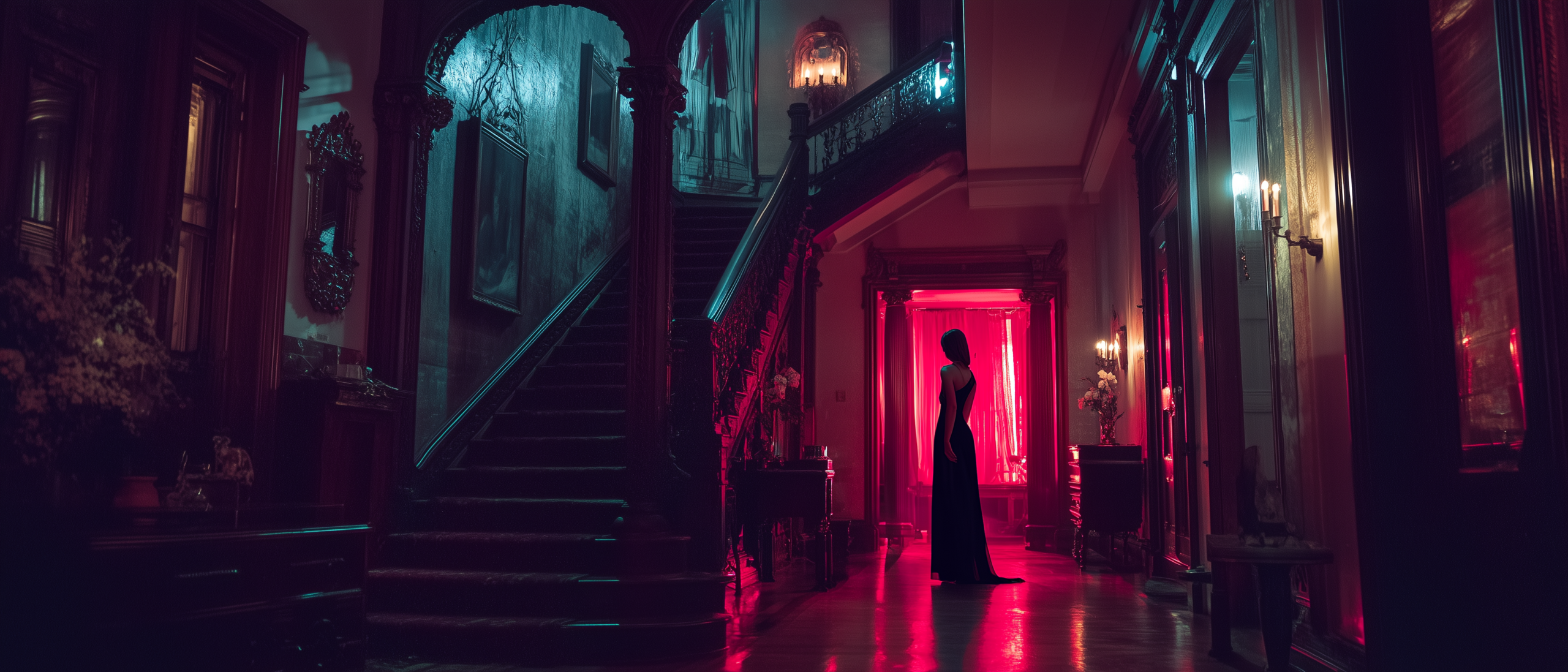
Argento’s work is often celebrated for its visual flair, and Inferno is no exception. The film is a kaleidoscope of colors and shadows, with each frame meticulously crafted to evoke a sense of dread and wonder. Cinematographer Romano Albani, working alongside Argento, creates a dreamlike atmosphere that blurs the line between reality and nightmare. The use of vibrant colors and intricate set designs enhances the film’s otherworldly feel, drawing viewers into its enigmatic world.
The Haunting Score
Music plays a crucial role in Argento’s films, and Inferno benefits immensely from its score. Composed by Keith Emerson, the music combines classical elements with eerie synths, providing an unsettling backdrop to the unfolding horror. Emerson’s work elevates the film, adding a layer of tension that complements the visual storytelling. The score is an integral part of the film’s identity, enhancing its surreal and hypnotic quality.

Watch the Official trailer
An Intricate Narrative
While Inferno may not be as straightforward as other horror films of its time, its complex narrative is part of its charm. The film weaves together multiple storylines, centered around the mysterious and malevolent forces embodied by the “Three Mothers.” This mythos, introduced in Suspiria, is expanded upon in Inferno, offering a deeper dive into Argento’s dark universe. The narrative’s ambiguity invites viewers to interpret the film’s events, making each viewing a unique experience.
Legacy and Influence
Though it didn’t receive the same recognition as Suspiria upon release, Inferno has gained a cult following over the years. Its influence can be seen in later works that embrace surreal and visually-driven storytelling. Directors like Guillermo del Toro have cited Argento’s films as inspiration, highlighting the lasting impact of Inferno on the horror genre. Its blend of artful cinematography and atmospheric tension continues to resonate with fans and filmmakers alike.
Why It Still Matters
In today’s horror landscape, where jump scares and CGI often dominate, Inferno stands out as a testament to the power of atmosphere and visual storytelling. Its dreamlike quality and eerie ambiance offer a refreshing departure from conventional horror tropes. For fans of the genre, revisiting Inferno is a reminder of the artistic possibilities within horror, showcasing Argento’s masterful ability to craft a chilling experience without relying on modern technology.
Ultimately, Inferno is more than just a film; it’s a haunting journey into the depths of the surreal. Its intricate visuals, haunting score, and mysterious narrative combine to create a horror experience that lingers long after the credits roll. For those willing to embrace its ambiguity, Inferno remains a timeless piece of cinematic artistry that deserves a place in any horror aficionado’s collection.