Behind the Creaking Door: Inner Sanctum Mysteries and the Golden Age of Radio Horror
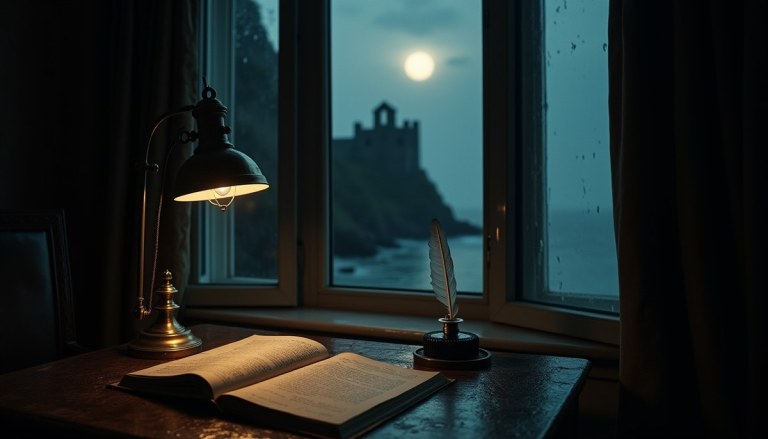
Some sounds belong to an era. For millions of American listeners in the 1940s, one of them was a door: a slow, rusty, agonised creak that announced it was time to turn the lamps down and pull the chair closer to the radio. That door opened Inner Sanctum Mysteries, one of the great horror anthologies of radio’s golden age, and it is still one of the best ways for a modern listener to discover how much fear you can create with nothing but sound.
A Show Named After Books
Inner Sanctum Mysteries premiered on January 7, 1941, on NBC’s Blue Network. It was created, produced and directed by Himan Brown, one of the most prolific producers in radio history, and it took its name from a popular line of mystery novels published by Simon and Schuster under the Inner Sanctum banner. Over the next eleven years the show moved between networks, eventually landing at CBS, and it ran until October 1952, with hundreds of episodes produced.
The format was simple: a self-contained tale of murder, madness or the supernatural each week, introduced and closed by a host. What made it special was tone. Inner Sanctum was scary, but it was also having fun, and it invited you to have fun being scared.
The Door
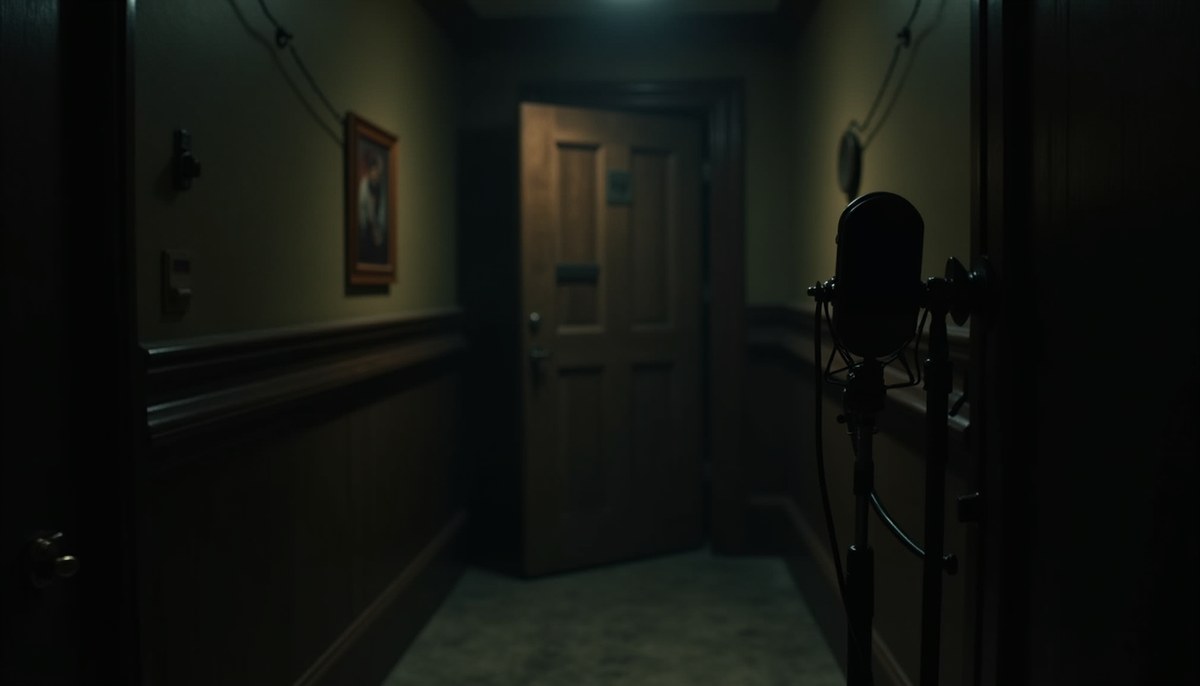
Every episode began the same way. A few bars of organ, then the sound of a doorknob turning and the long, slow creak of rusted hinges. It became one of the most recognisable sound effects ever broadcast. Radio historians have collected the stories behind it, including one sound man’s recollection that the crew rusted the hinges on purpose and mounted the door a little crooked so it would never stop squeaking.
That door did more work than any title card could. In a medium without pictures, it was the opening shot, the set and the mood all at once. You heard it and you knew exactly where you were: somewhere you probably should not be. Decades later, people who never heard a single episode still recognise that sound, which tells you how deep it sank into popular culture.
Raymond, Your Host
Behind the door waited the host. The first and most famous was Raymond Edward Johnson, introduced simply as “Raymond,” who greeted listeners with silky menace and an endless supply of terrible, delicious puns about graves, corpses and coffins. Johnson hosted until 1945, and Paul McGrath took over the role for the rest of the run.
If that kind of host sounds familiar, it should. The wisecracking ghoul who tells you a horror story and then teases you about it is a straight line from Raymond to the Crypt Keeper, to the late-night television horror hosts of the 1950s and beyond, and yes, to the Curator here at Midnight Macabre. The host is the friend who walks you into the haunted house and makes jokes so you keep going.
Stars, Stories and a Cup of Tea
The stories themselves ranged from straight crime to full-blown supernatural horror: buried alive, possessed, haunted, framed, or simply murdered in a dark house during a thunderstorm. The scripts loved a twist ending, and the cast lists drew on the deep pool of New York radio actors, with film stars dropping in as guests. Boris Karloff and Peter Lorre were among the famous names who stepped through that door.
For several seasons the show was sponsored by Lipton Tea, and the commercials were delivered by a cheerful spokeswoman whose bright chatter about tea and soup sat in hilarious contrast to the corpse-strewn stories around her. The whiplash was part of the charm, and the host would often get the last ghoulish word.
From the Radio to the Screen
The brand was strong enough to cross over. Universal Pictures licensed the name in the 1940s for a series of six low-budget Inner Sanctum mystery films starring Lon Chaney Jr., each opening with a disembodied head floating in a crystal ball. They were not the radio show, but they prove how valuable that creaking door had become. Later there was even a short-lived television version.
None of them matched the original, for the simple reason that radio horror lives in your imagination. No special effects budget can compete with the monster you build yourself in the dark.
How to Listen Today
A large number of Inner Sanctum episodes survive and are easy to find in old-time radio collections. Listen the way the original audience did: at night, lights low, no screens, no scrolling. Give it a few minutes to settle you in, and enjoy the puns, the overheated organ cues and the delightfully nasty twists.
Old-time radio is a big part of what we do here, from our OTR episodes to the long nights on WLAI. So the next time you hear a door creak in an empty house, smile. Raymond is just saying hello.