The Evolution of Found Footage Horror: A Cinematic Journey
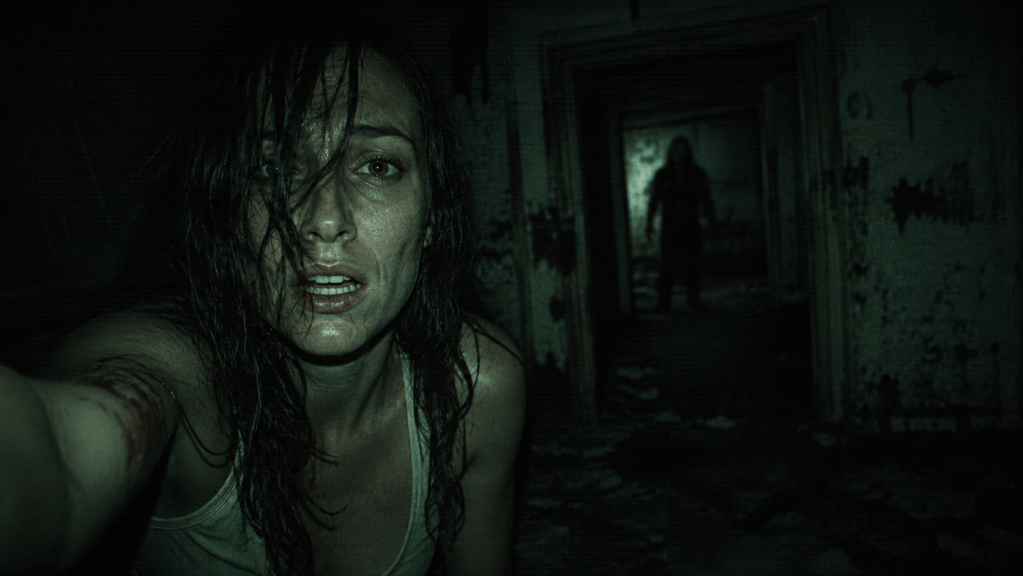
The Origins of Found Footage Horror
Found footage horror has become a staple of the genre, known for its unique ability to blend realism with terror. This subgenre’s roots can be traced back to the 1980s with films like Cannibal Holocaust (1980), which shocked audiences with its raw and unfiltered depiction of violence. Ruggero Deodato’s controversial film set the stage for what would become a cinematic method to convey authenticity and immediacy, drawing viewers into the narrative as if they were part of the action.
The Blair Witch Phenomenon
Arguably the most significant milestone in the evolution of found footage horror was the release of The Blair Witch Project in 1999. This low-budget film captivated audiences with its innovative marketing campaign and minimalist storytelling. By presenting itself as a real documentary, it blurred the lines between fiction and reality, creating a sense of unease that resonated deeply with viewers. The film’s success demonstrated the potential of found footage to deliver scares in a fresh and engaging way, paving the way for future filmmakers to explore the genre.
Paranormal Activity and the Mainstream Appeal
In 2007, Paranormal Activity revitalized the found footage genre, proving its commercial viability. With a budget of just $15,000, the film’s use of home video-style footage and everyday settings struck a chord with audiences. It relied on subtle scares and psychological tension, rather than explicit gore, to create an atmosphere of dread. The film’s massive box office success inspired numerous sequels and imitators, cementing found footage as a mainstream horror staple.
Diversification and Innovation
As the genre evolved, filmmakers began experimenting with its conventions, leading to a diversification of styles and themes. Films like REC (2007) combined found footage with zombie horror, while Cloverfield (2008) brought a monster movie twist. These films demonstrated that the genre could be adapted to various narratives, maintaining its appeal while offering fresh perspectives. The use of digital technology further expanded the possibilities, allowing for more sophisticated storytelling techniques.
 The Cultural Impact and Legacy
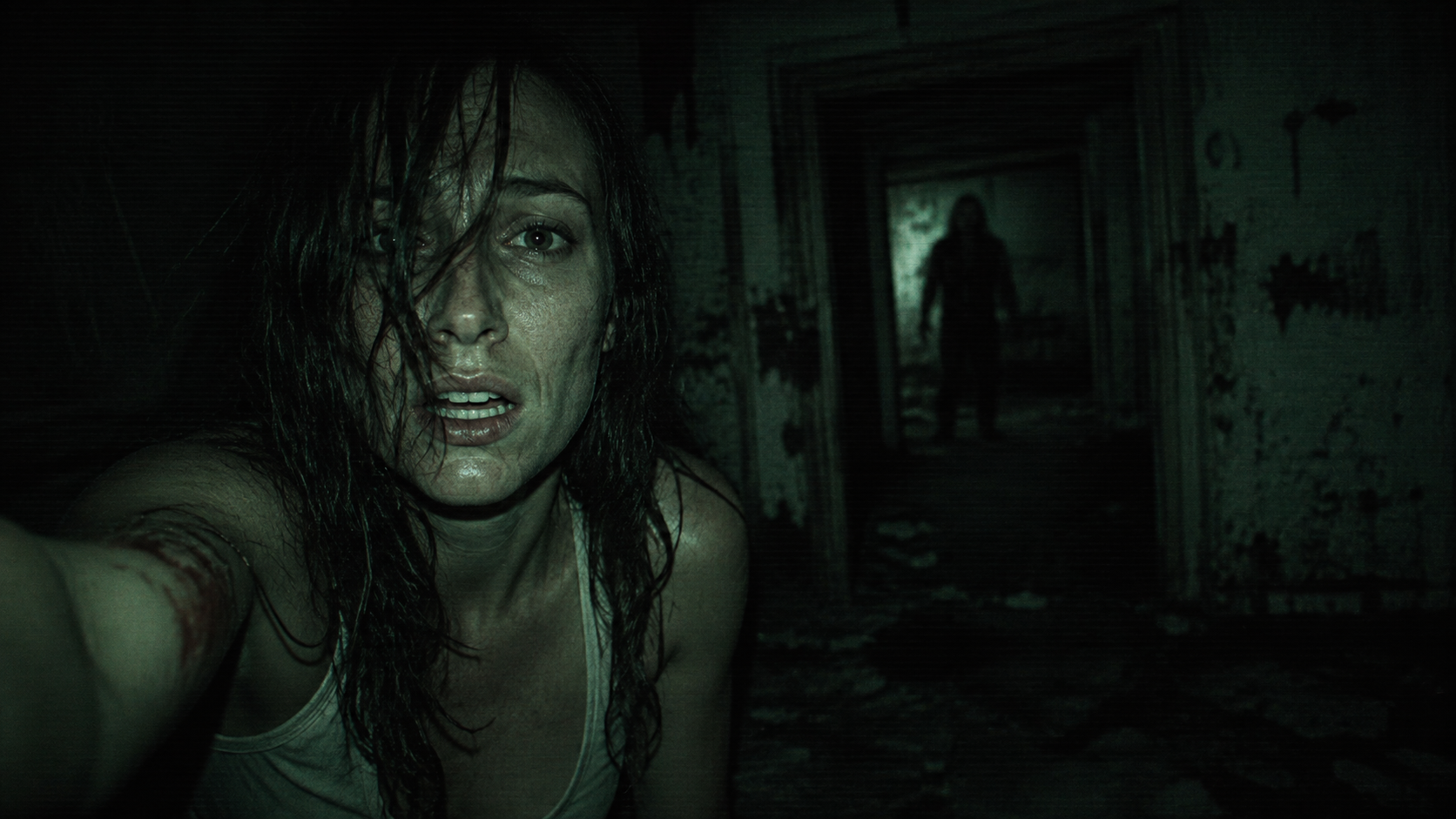
Found footage horror has left a lasting impact on the genre, influencing both filmmakers and audiences. Its emphasis on realism and immersion has resonated with a generation accustomed to digital media and social networks, where video documentation is part of everyday life. The genre’s ability to evoke fear through suggestion and atmosphere, rather than explicit imagery, has also contributed to its enduring appeal.
Moreover, found footage horror has inspired a community of independent filmmakers, who see it as an accessible way to create compelling stories on limited budgets. This democratization of filmmaking has led to a wealth of innovative and diverse content, keeping the genre fresh and relevant.
Why Found Footage Horror Still Matters
Today, found footage horror remains a vital part of the horror landscape. Its capacity to deliver visceral scares through a lens of authenticity continues to attract filmmakers and audiences alike. As technology advances, the genre evolves, incorporating new media formats and storytelling techniques to maintain its relevance.
For horror fans, found footage offers a unique viewing experience that challenges traditional narrative structures, inviting viewers to engage with the story in a more personal and immediate way. Its legacy is a testament to the power of innovative storytelling and the enduring appeal of horror that feels real.
In conclusion, the journey of found footage horror is a testament to the genre’s resilience and adaptability. From its controversial beginnings to its status as a mainstream staple, it has consistently pushed the boundaries of horror, offering audiences a unique blend of fear and fascination.