The Fury: Brian De Palma’s Underrated Psychic Thriller
Introduction: De Palma’s Underrated Gem
Brian De Palma’s The Fury (1978) often sits in the shadow of his more famous works like Carrie and Scarface. However, this thrilling exploration of psychic phenomena and government conspiracy deserves a closer look. With its unique blend of horror and suspense, The Fury showcases De Palma’s signature style and remains an influential piece in the landscape of 1970s cinema.
A Tale of Psychic Powers and Government Intrigue
The Fury follows the story of Peter Sandza (Kirk Douglas), a former CIA agent whose son, Robin (Andrew Stevens), is kidnapped by a government agency looking to exploit his psychic abilities. As Peter races against time to rescue his son, he enlists the help of a young woman named Gillian (Amy Irving), who possesses similar psychic powers. The film’s narrative cleverly intertwines personal stakes with broader conspiratorial elements, creating a gripping thriller that keeps audiences on edge.
Why The Fury Still Resonates Today
The film’s enduring appeal lies in its masterful combination of suspense and supernatural elements. De Palma’s direction is both stylish and innovative, employing split screens, slow motion, and rapid cuts to heighten tension. This visual flair not only enhances the storytelling but also solidifies the film’s place as a cult classic. Furthermore, the themes of governmental manipulation and the fear of losing control over one’s own mind remain relevant, adding layers to its narrative resonance.

Kirk Douglas delivers a compelling performance as a father driven to the edge, showcasing both vulnerability and determination. Amy Irving’s portrayal of Gillian adds depth to the narrative, as she navigates the terrifying discovery of her own powers. Meanwhile, John Williams’ haunting score perfectly complements the film’s eerie atmosphere, underscoring the tension and emotion throughout.
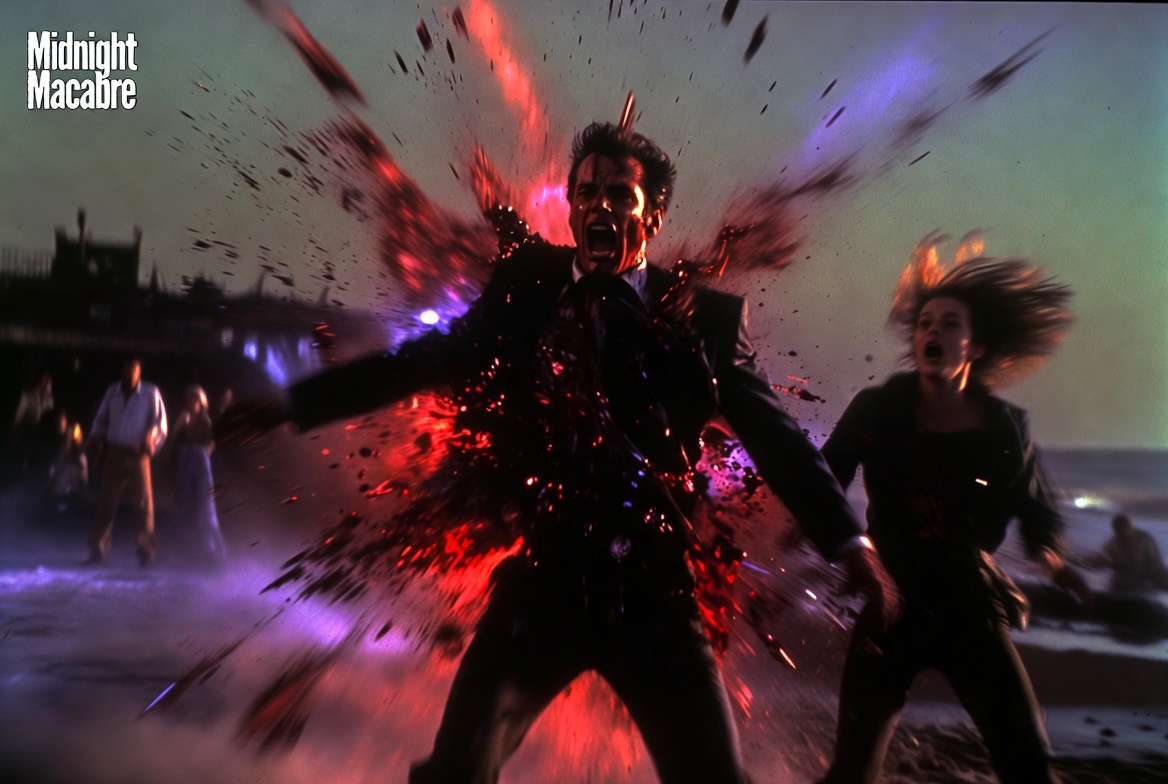
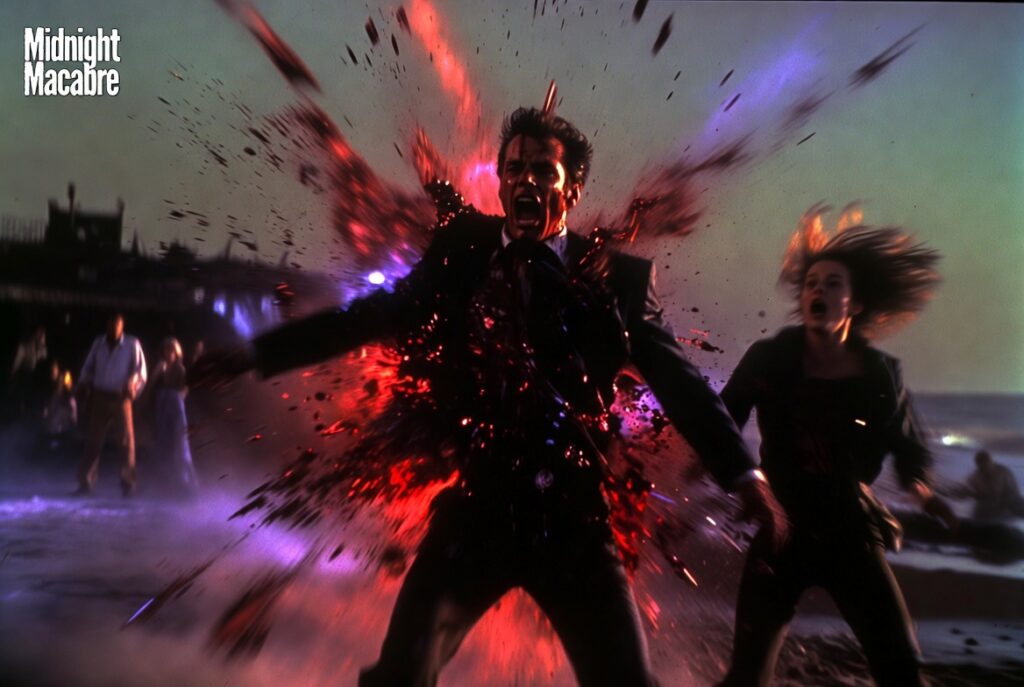
De Palma’s technical mastery is evident in the climactic scenes, where his use of special effects and editing techniques culminate in a shocking and memorable finale. The film’s ability to maintain suspense while exploring the psychological horror of its characters’ abilities is a testament to De Palma’s skill as a filmmaker.
The Legacy of The Fury
While The Fury may not have achieved the same level of mainstream success as some of De Palma’s other works, its influence is undeniable. The film has inspired subsequent thrillers and horror movies that explore similar themes of psychic phenomena and governmental overreach. Its cult status is bolstered by dedicated fans who appreciate its unique blend of genres and its impact on the horror-thriller landscape.
Moreover, The Fury paved the way for more nuanced portrayals of psychic powers in cinema, moving beyond simple scares to explore the psychological implications of such abilities. This approach has been echoed in later films and television series, proving the film’s lasting impact on the genre.
Conclusion: A Timeless Thriller
Brian De Palma’s The Fury remains a thrilling and thought-provoking piece of cinema that deserves reappraisal. Its innovative direction, compelling performances, and enduring themes make it a standout entry in the horror-thriller genre. For fans of De Palma and those new to his work, The Fury offers a gripping experience that continues to captivate audiences with its blend of suspense and supernatural intrigue.