The Howling: Revisiting the Werewolf Classic That Transformed Horror Cinema
A Howl in the Night: The Legacy of The Howling
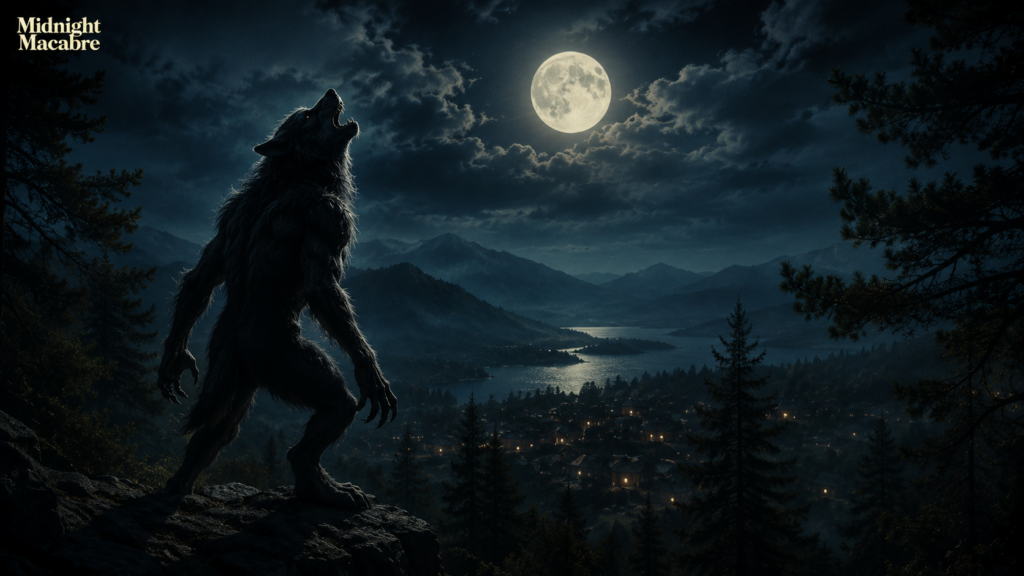
When it comes to werewolf films, few have left a mark as indelible as Joe Dante’s The Howling. Released in 1981, this horror classic not only redefined the genre but also set a new standard for special effects that still resonates with filmmakers today. As we revisit this seminal work, it’s clear why The Howling continues to captivate horror enthusiasts and casual viewers alike.
A New Dawn for Werewolf Cinema
Before The Howling, werewolf films were often relegated to the realm of camp. The genre had become predictable, with recycled tropes and lackluster transformations. However, Dante’s film shattered these conventions, introducing a grittier, more realistic take on the mythos. With a screenplay by John Sayles, adapted from Gary Brandner’s novel, The Howling offered a fresh narrative that combined horror with a satirical edge.
The film follows journalist Karen White, played by Dee Wallace, who retreats to a secluded resort after a traumatic encounter with a serial killer. What begins as a journey of recovery soon turns into a nightmare as she discovers the resort’s inhabitants are not what they seem. This plot twist, blending psychological horror with the supernatural, was a novel approach that set The Howling apart from its predecessors.
Groundbreaking Special Effects
Perhaps the most significant contribution of The Howling to horror cinema was its pioneering special effects. Rick Baker initially started on the project but left to work on An American Werewolf in London, passing the baton to Rob Bottin. Bottin’s work on the transformation scenes is nothing short of legendary, utilizing practical effects that were groundbreaking at the time.
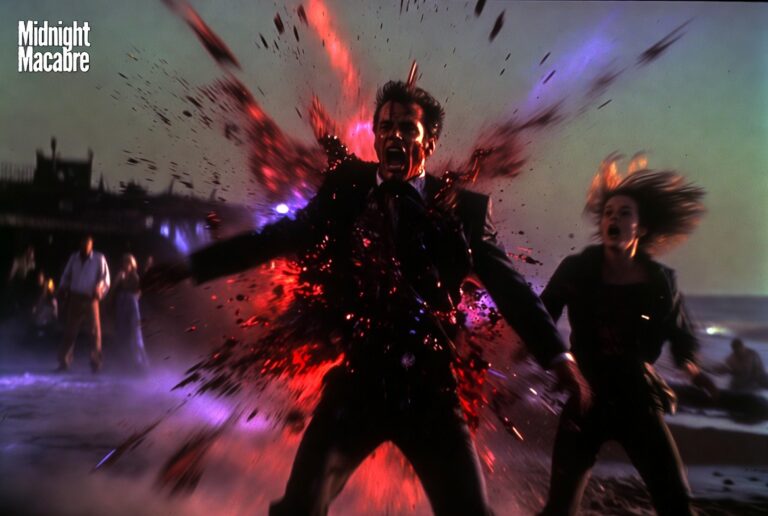
The transformation of Eddie Quist, portrayed by Robert Picardo, remains a highlight of practical effects in horror. The scene’s visceral nature, achieved without CGI, showcased a commitment to realism that elevated the film’s terror. This dedication to tangible effects not only heightened the horror but also inspired countless filmmakers to explore practical effects in their work.
Why Horror Fans Still Care
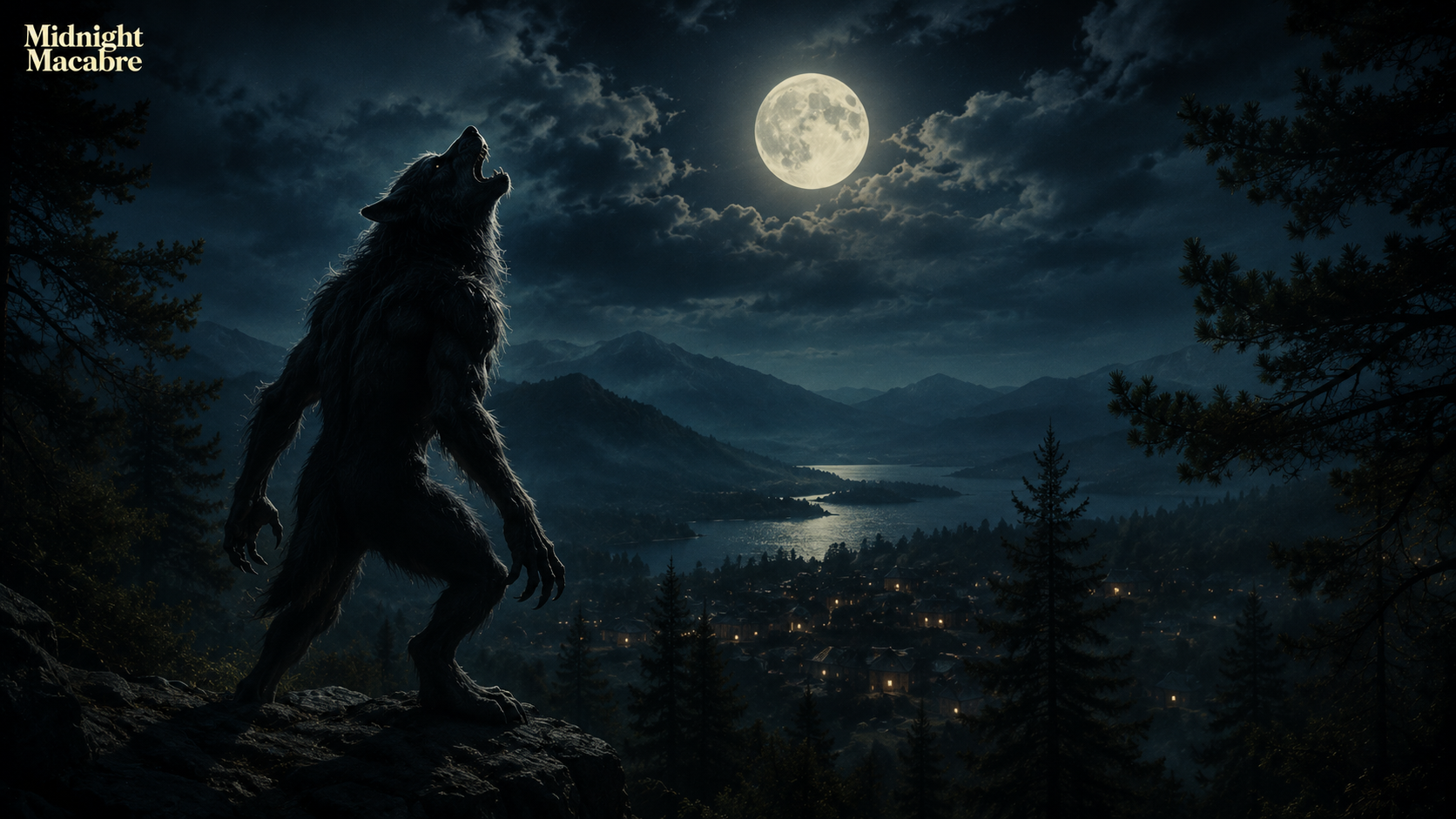
So why does The Howling still matter to horror fans today? For one, its influence on the genre is undeniable. The film’s success paved the way for a wave of werewolf movies in the 1980s, each trying to capture the same blend of horror and wit. Moreover, its use of practical effects has become a benchmark for quality in horror filmmaking.
Beyond its technical achievements, The Howling resonates due to its atmosphere and storytelling. The film expertly balances suspense and humor, a signature of Joe Dante’s style, which keeps audiences engaged from start to finish. The eerie, isolated setting adds to the film’s tension, making the viewer feel as trapped and vulnerable as the characters themselves.
A Cult Classic with Enduring Appeal
Over four decades later, The Howling has cemented its status as a cult classic. Its legacy is evident in the numerous sequels it spawned, though none quite captured the original’s magic. Despite this, the film’s influence can be seen in modern horror, where practical effects and layered storytelling continue to be celebrated.
For new viewers, The Howling offers a glimpse into the evolution of horror cinema. For seasoned fans, it’s a nostalgic trip back to a time when horror films were pushing boundaries and redefining genres. Whether it’s the chilling transformation scenes or the clever narrative twists, The Howling remains a vital part of horror history.
In conclusion, The Howling is more than just a werewolf movie; it’s a landmark in horror filmmaking that continues to inspire and terrify. Its blend of innovative effects, sharp storytelling, and atmospheric tension ensures that it will remain a beloved classic for years to come.