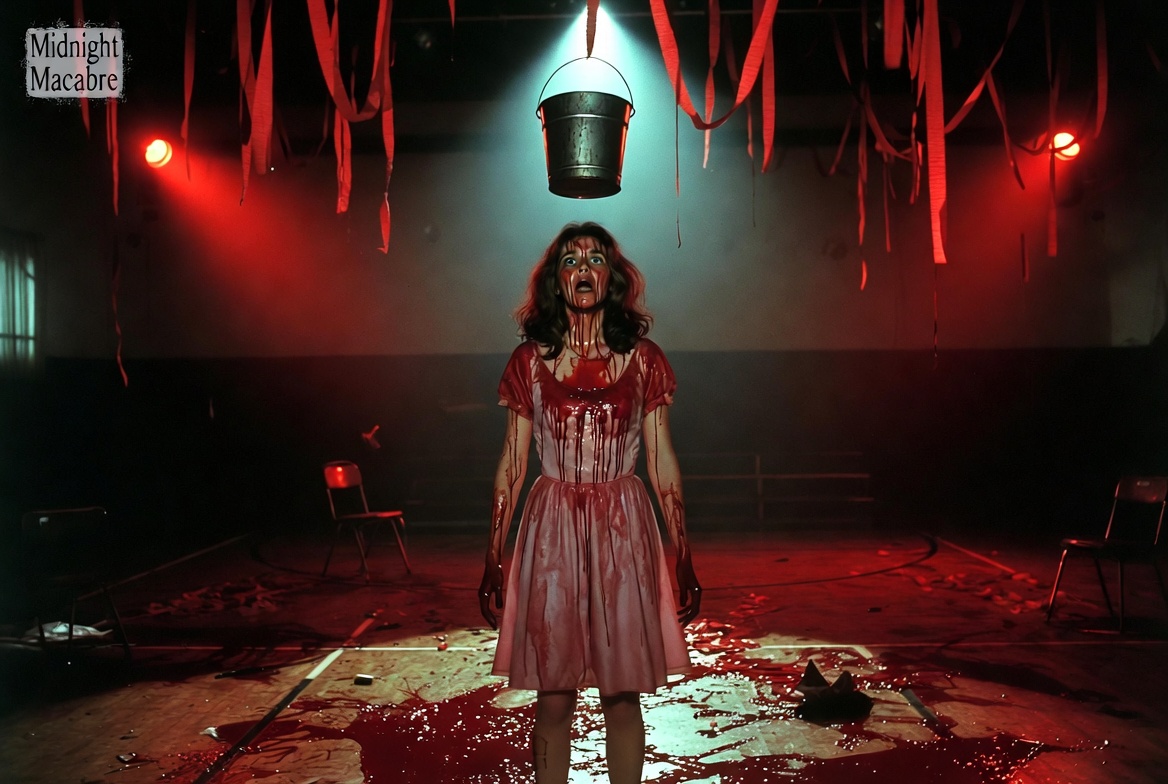
Carrie 1976: The Enduring Nightmare of Stephen King’s Classic
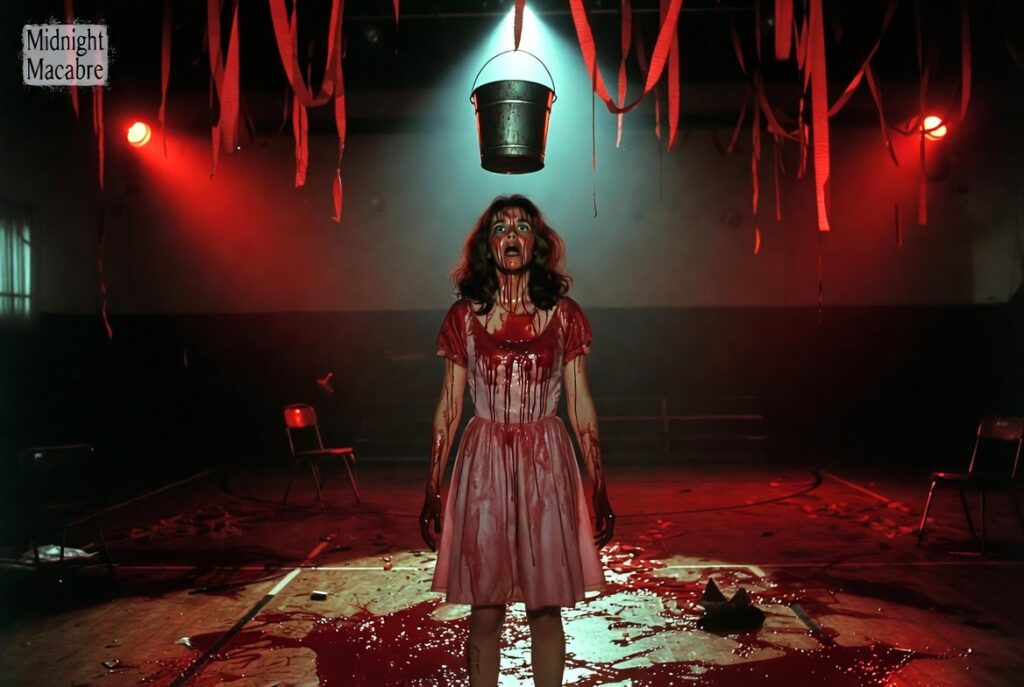
A Chilling Adaptation of Stephen King’s Vision
Brian De Palma’s 1976 adaptation of Stephen King’s debut novel, Carrie, remains a cornerstone of horror cinema. The film’s narrative, revolving around a tormented high school girl with telekinetic powers, taps into the universal fears of adolescence and the monstrous potential of suppressed rage. De Palma’s direction, combined with Sissy Spacek’s unforgettable performance, elevates this tale of terror into a timeless masterpiece that continues to resonate with audiences today.
Sissy Spacek’s Iconic Performance
At the heart of Carrie is Sissy Spacek’s portrayal of the titular character. Her ability to convey vulnerability and suppressed fury is nothing short of remarkable. Spacek’s performance captures the tragic duality of Carrie White, making her both a sympathetic victim and a terrifying force. This nuanced portrayal is one of the primary reasons why the film holds such a powerful grip on its viewers. Spacek’s transformation from a timid, bullied girl to a vengeful figure of wrath during the infamous prom scene is both haunting and heartbreaking, solidifying her role as an icon in horror cinema.
Thematic Depth and Social Commentary
Carrie isn’t just a horror film; it’s a profound exploration of teenage angst, bullying, and the destructive power of repression. The film delves into the complexities of high school life, the cruelty of peer pressure, and the consequences of parental control. Piper Laurie’s performance as Margaret White, Carrie’s fanatically religious mother, adds another layer of horror, representing the oppressive forces that contribute to Carrie’s tragic fate. The film’s social commentary on the dangers of unchecked authority and the alienation faced by outsiders remains relevant, ensuring its continued impact on audiences.
Brian De Palma’s Masterful Direction
De Palma’s direction is a masterclass in building suspense and delivering shocking, unforgettable imagery. His use of split screens, slow motion, and intense close-ups heightens the film’s dramatic tension. The iconic prom scene, with its dreamlike buildup and nightmarish climax, showcases De Palma’s ability to blend visual style with narrative intensity. His skillful manipulation of mood and tone transforms Carrie from a simple horror story into a cinematic experience that lingers long after the credits roll.
Legacy and Influence on Horror Cinema
Since its release, Carrie has left an indelible mark on the horror genre. Its influence is evident in countless films that explore themes of teenage revenge and supernatural powers. The movie’s success also paved the way for future adaptations of Stephen King’s work, establishing him as a vital voice in horror literature and film. Moreover, the film’s cultural impact extends beyond cinema; it has inspired remakes, sequels, and even a Broadway musical, underscoring its enduring appeal and versatility.
Why Carrie Still Matters Today
In an era where bullying and the struggles of adolescence are increasingly recognized as serious societal issues, Carrie remains as pertinent as ever. Its exploration of the darker aspects of human nature and the consequences of societal neglect resonate with contemporary audiences. The film’s ability to evoke empathy and horror simultaneously ensures its place in the pantheon of great horror films. For fans and newcomers alike, Carrie offers a powerful reminder of the genre’s potential to reflect and critique the world around us.
Ultimately, Carrie endures not just as a horror classic, but as a poignant tale of the dangers of isolation and the destructive potential of repressed emotions. Its chilling narrative and compelling performances continue to captivate and terrify, securing its legacy as a film that both defines and transcends its genre.